Wedding Silhouette Clipart: Designing Elegant Visuals
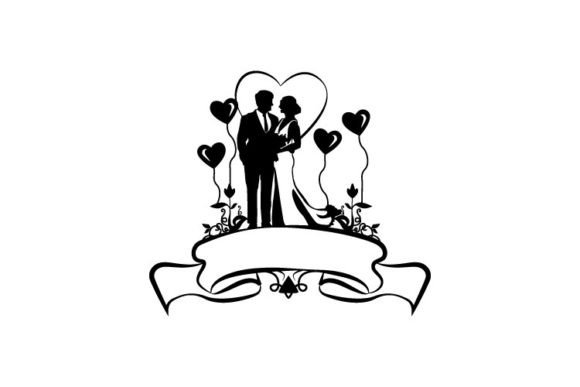
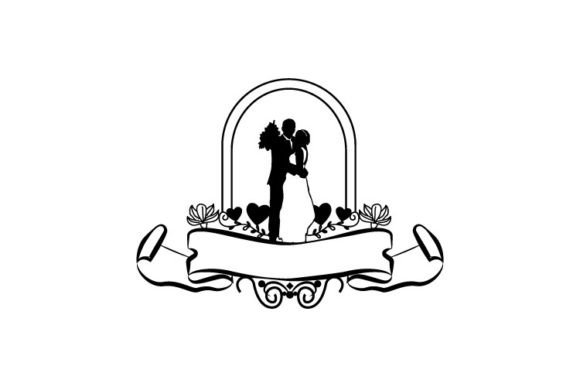
There’s a certain magic to a well-crafted silhouette. It distills the essence of a subject—the curve of a cheek, the drape of a gown, the gentle tilt of a head—into a single, powerful shape. For designers and creatives working on wedding-related projects, this minimalist approach isn't just elegant; it's incredibly versatile. Wedding Silhouette Clipart Banner Art and illustration vectors offer a sophisticated toolkit for creating everything from romantic invitations to striking social media graphics, all built on the timeless appeal of the shadow form.
The Quiet Power of the Wedding Silhouette
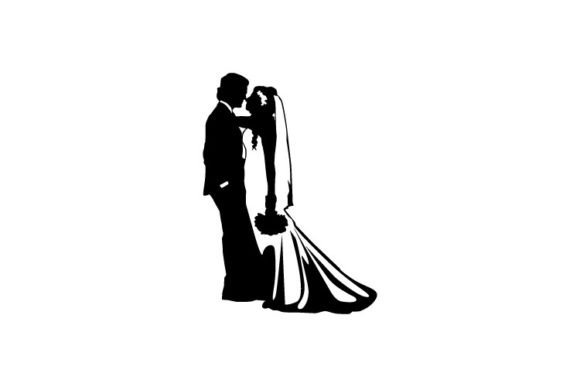
Unlike a detailed photograph or a complex illustration, a silhouette works on a different visual level. It’s immediately recognizable, yet it carries an air of mystery and romance. This makes it a perfect design element for branding that aims to feel both classic and contemporary. Think of the bride and groom figures used by countless wedding planners, venues, and stationers. That simple, iconic shape communicates an entire story without a single word. It’s a visual shorthand for love, celebration, and partnership.
The beauty of a high-quality vector file—like those provided in Ai, Eps, Svg, Png, and Jpg formats—is that it retains this crisp, clean aesthetic at any size. You can scale it up for a grand banner at a reception or shrink it down for a delicate monogram on a napkin. The lines stay sharp, the edges stay defined. This scalability is what separates a professional design asset from a low-resolution image that falls apart when you try to use it.
From Screen to Stationery: Practical Applications
So, you have this elegant set of Wedding Silhouette Clipart Banner Art. How do you put it to work across different projects? The applications are surprisingly broad, touching nearly every facet of a wedding brand or personal celebration.
- Invitations & Stationery Suites: Use a silhouette as the central motif on a save-the-date card, or as a subtle, recurring watermark on the RSVP envelope. A banner silhouette can frame the couple's names beautifully on the main invitation.
- Digital Branding & Social Media: For a wedding photographer or event planner, incorporating these elements into Instagram Stories, Pinterest pins, or Facebook covers creates instant visual cohesion. A silhouette profile picture or a banner illustration used as a website header immediately sets a romantic, professional tone.
- Print & Decor: Beyond paper, think about physical space. A silhouette pattern can be used to design custom table numbers, menu cards, or even a stunning photo backdrop for the reception. For the craft-minded, these vectors are perfect for creating vinyl decals for welcome signs or etched onto glass favors.
- Merchandise & Keepsakes: Small business owners can use these designs to create beautiful merchandise—think custom tote bags for bridesmaids, elegant thank-you cards, or even the artwork for a commemorative guest book.
The key is to see these illustrations not as rigid stickers, but as flexible design elements. A single silhouette can be mirrored, rotated, cropped, or combined with other graphic assets like floral wreaths or typographic banners to create something entirely new.
Integrating Silhouettes into Your Design Workflow
Working with clipart vectors is fundamentally about integration. The goal is to make the silhouettes feel like a natural part of your design, not an afterthought pasted on top. Here’s how to approach it effectively.
First, consider color and contrast. A classic black silhouette on a white or cream background is timeless. But don’t be afraid to experiment. A deep burgundy or forest green silhouette on a textured paper background can evoke a vintage feel. For digital projects, you might use a silhouette as a mask, allowing a photograph of a sunset or a floral pattern to show through its shape.
Next, think about composition and balance. A large, central silhouette can serve as a powerful focal point. Alternatively, using smaller, repeated silhouettes as a border or pattern can add texture and visual interest without overwhelming the main message. In logo design, a simplified silhouette can become the core icon, paired with clean typography for a balanced brand mark.
Finally, pair your visuals with the right typography. This is where your broader design skills come into play. The elegant, flowing lines of a script font can complement the romantic feel of a wedding silhouette. A clean, modern sans-serif font can provide a contemporary counterpoint, making the overall design feel fresh and current. The silhouette provides the emotion; the typography delivers the information. Together, they create a complete visual language.
Making It Work for Your Brand or Project
Whether you're a designer building a client's wedding brand, a crafter making favors for a friend's shower, or a blogger creating a romantic mood board, the principles are the same. Start with a clear intention. Are you aiming for classic elegance, rustic charm, or modern minimalism? Your choice of silhouette style and how you use it should align with that goal.
Always test your designs in context. A beautiful banner illustration on your computer screen might look different when printed on textured cardstock. A social media graphic might need a bolder silhouette to be legible as a small thumbnail. This is why having multiple file formats is so valuable. The Ai and Eps files are perfect for editing in Adobe Illustrator, giving you full control over colors and shapes. The PNG files with transparent backgrounds are ideal for layering in photo editing or presentation software. The JPG and SVG formats ensure compatibility across web platforms and other applications.
Most importantly, review the licensing that comes with your design assets. For any commercial use—whether you're selling products, using the designs in client work, or promoting a business—ensure the license permits it. This protects you and respects the original creator's work.
In the end, wedding silhouette clipart is more than just a collection of pretty pictures. It’s a versatile design language that communicates emotion, elegance, and story with remarkable efficiency. By understanding its strengths and integrating it thoughtfully into your projects, you can create visuals that resonate deeply with your audience and stand the test of time.