Elegant Wedding Silhouette Banners for Your Design Projects
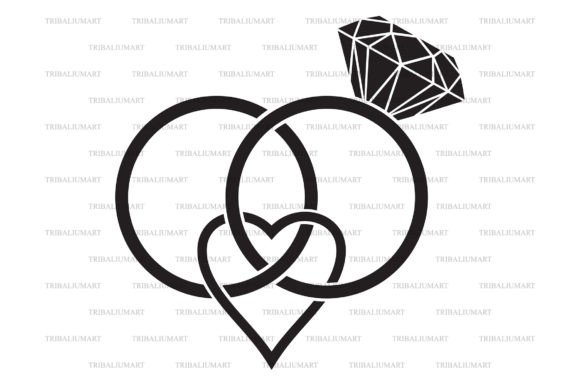
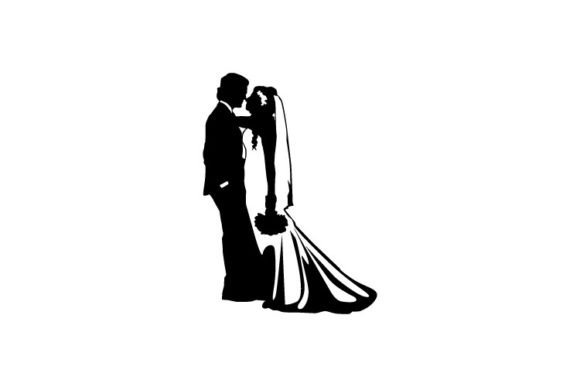
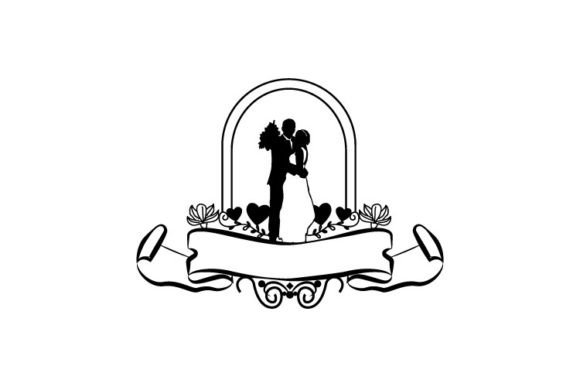
There's a moment in every wedding design project where you need to capture romance, elegance, and celebration in a single visual element. Maybe it's the finishing touch on an invitation suite, a decorative border for a menu card, or a striking header for a wedding website. That's where silhouette banner elements shine—they deliver instant sophistication without overwhelming your layout. These designs feature graceful shapes like intertwined rings, floral arrangements, lovebirds, or ornate frames, all rendered as clean silhouettes that blend seamlessly into any composition.
What makes silhouette-based design so appealing is its versatility. The solid, single-color format means these elements work beautifully against light or dark backgrounds, pair well with virtually any color palette, and scale from tiny social media icons to large-format prints without losing clarity. Whether you're designing for a rustic barn celebration or a black-tie ballroom affair, a well-chosen silhouette banner adapts to the mood while maintaining that unmistakable wedding aesthetic.
Practical Applications Across Wedding and Event Design
The real value of a wedding silhouette banner element design becomes clear when you start mapping it to actual projects. Wedding planners and stationery designers, for instance, can use these elements as decorative headers on save-the-dates, RSVP cards, and thank-you notes. The silhouette format keeps printing costs manageable since you're typically working with one or two ink colors, and the crisp edges reproduce cleanly on everything from digital presses to letterpress equipment.
Beyond invitations, think about the broader event experience. Table numbers, ceremony programs, welcome signs, and seating charts all benefit from a cohesive visual motif. When you use the same silhouette banner element across every touchpoint, you create a unified look that feels intentional and polished. Guests notice that consistency, even if they can't articulate why the event feels so well put together.
For small business owners in the wedding industry—photographers, caterers, florists, venue operators—these design elements offer an affordable way to elevate your brand materials. A silhouette banner framing your business name on a brochure or packaging insert immediately signals that you understand the wedding market. It's a subtle but effective way to build brand recognition within a specific niche.
Digital Design and Social Media Integration
We live in a visual-first digital landscape, and wedding content performs exceptionally well on platforms like Instagram, Pinterest, and Tikook. Content creators and bloggers covering wedding topics can use silhouette banner elements as consistent branding devices across their posts, stories, and pin graphics. Imagine a recurring banner element that frames your weekly wedding tip or serves as a header for your styled shoot blog posts. Over time, your audience starts associating that visual language with your content, which strengthens brand recall.
Website designers working on wedding-related sites—whether for a venue, a planner, or a bridal blog—will find these elements particularly useful for section dividers, hero image overlays, or footer decorations. The files you receive in Ai, Eps, Png, Jpg, and Svg formats mean you're covered whether you're working in Adobe Illustrator, Canva, Figma, or any web platform that accepts standard image uploads. The Svg format is especially valuable for web work since it scales perfectly on responsive designs and loads efficiently.
For those creating digital products—think wedding planner templates, printable wall art, or downloadable invitation suites—having a library of silhouette banner elements lets you build product lines that feel cohesive without spending hours drawing decorative frames from scratch. You can customize colors, resize freely, and combine elements to create fresh compositions for each new product.
Choosing the Right Element for Your Project Goals
Not every silhouette banner works for every situation, so it's worth thinking through your specific needs before committing. Consider the overall tone of your project. Delicate floral silhouettes with thin, flowing lines convey romance and femininity, making them ideal for traditional wedding invitations. Geometric frames with clean angles feel more modern and might suit a contemporary celebration or a minimalist brand identity.
Scale matters too. A highly detailed silhouette with intricate flourishes looks stunning on a large printed poster but may turn muddy when shrunk down for a business card or favicon. If your project spans multiple sizes—from social media avatars to banner prints—look for elements that maintain their visual integrity across that range. Testing at actual output dimensions before finalizing your design saves headaches later.
Color is another consideration that's easy to overlook. While silhouettes are typically shown as black on white, their real power lies in how easily they adapt to your color scheme. A gold silhouette on a navy background feels luxurious and formal. A soft blush tone on cream reads warm and inviting. Because these are vector-based elements in most of the provided formats, recoloring takes seconds in any standard design application.
Building Visual Consistency Across Touchpoints
One of the biggest challenges in any design project—especially multi-piece ones like wedding stationery suites or brand identity systems—is maintaining visual consistency. When every piece feels like it belongs to the same family, the overall impression shifts from "nice" to "professional." Wedding silhouette banner elements serve as anchoring devices that tie disparate pieces together.
Here's a practical approach: choose one or two silhouette elements and commit to using them across your entire project. Apply the same banner as a header on your invitation, a watermark on your envelope liner, and a decorative accent on your wedding website. Adjust the size, opacity, or placement to keep things interesting, but the repeated motif creates an invisible thread connecting every piece.
This principle extends beyond weddings. If you're a marketing professional developing materials for a bridal expo booth, a blogger creating a series of wedding-related content, or a crafter building an Etsy shop around wedding goods, that visual consistency becomes part of your brand identity. Customers and followers start recognizing your work before they even read your name.
Working With Multiple File Formats
The included files—Ai, Eps, Png, Jpg, and Svg—cover essentially every use case you'll encounter. The Ai and Eps vector files are your workhorses for professional design work in Adobe Illustrator or similar applications. They give you full control over colors, scaling, and editing. The Svg format bridges the gap between print and web design, offering clean vector rendering for digital platforms.
Png files with transparent backgrounds are indispensable for quick projects, layering in design software, or use in applications that don't support vector editing. Jpg files work well for mockups, presentations, or situations where file size matters and transparency isn't needed. Having all these formats means you won't waste time converting files or compromising on quality when you switch between projects or platforms.
A final note on licensing: always verify that the usage rights align with your project scope. Most premium design assets include commercial licenses that cover client work, merchandise, and digital products, but it's worth confirming before you launch a product line or distribute materials at scale. Understanding these terms upfront protects your investment and keeps your projects legally sound.
Whether you're crafting a single invitation or building an entire brand around the wedding market, silhouette banner elements give you a reliable, elegant design tool that works hard across every medium. The combination of visual appeal, practical versatility, and format flexibility makes them a smart addition to any designer's toolkit.