Elegant Bride Clipart: Your Guide to Wedding Design Assets
There’s a specific moment in every design project where you realize a single visual element can change everything. You’re working on a wedding invitation suite, a blog header for a bridal stylist, or packaging for a handmade jewelry business. The layout is clean, the typography is crisp, but it feels… incomplete. It lacks that one piece of soft, romantic artistry that instantly communicates the theme. This is where high-quality, hand-painted illustration assets step in, transforming a good design into a memorable one.
Beyond the Generic: The Allure of Hand-Painted Artistry
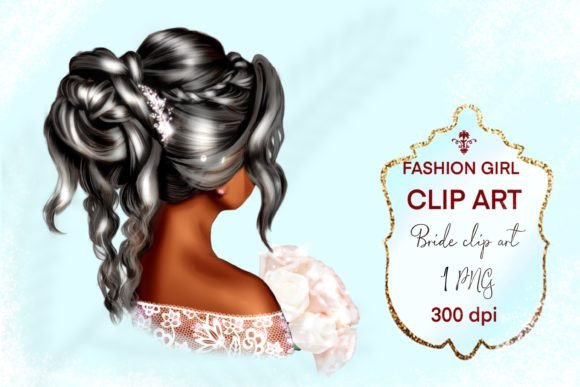
Not all clipart is created equal. You’ve likely scrolled through endless libraries of flat, cartoonish vectors that feel impersonal and overused. The difference with a carefully crafted digital illustration, like a delicate bride clipart featuring an intricate wedding female hair style, lies in its texture and soul. These aren't just shapes; they're digital paintings that retain the subtle brushstrokes, color variations, and organic feel of traditional art. This aesthetic brings warmth, authenticity, and a premium feel to any project it touches. It speaks to an audience that values craftsmanship and beauty, making it perfect for brands that want to evoke emotion rather than just present information.
Imagine using such an asset as the cornerstone of a brand identity. For a wedding planner, it could become a signature motif on business cards and proposal documents. For a boutique selling bridal accessories, it’s a natural fit for website banners and social media stories. The versatility is key. A single PNG file with a transparent background is a designer's workhorse—it can be layered over photographs, placed on textured paper backgrounds, or combined with typographic elements without any awkward white boxes disrupting the composition. The 300 dpi resolution ensures it prints beautifully on everything from a delicate rice paper invitation to a large format poster at a bridal expo.
Practical Applications for Creatives and Entrepreneurs
Let's move from theory to practice. How does one actually integrate a piece like a wedding female hair style clipart into a workflow? The applications are broader than you might initially think.
For the Digital-First Brand: Use the illustration as a profile picture avatar, a custom highlight cover on Instagram, or a recurring graphic in Pinterest pins to build a cohesive visual language. It can be the hero image in an email marketing header, instantly signaling the content’s focus to subscribers. For bloggers, it’s a perfect featured image for articles on bridal beauty, wedding planning tips, or fashion editorials, adding a unique artistic touch that stock photography often lacks.
For Product-Based Businesses: Packaging design is where such assets truly shine. Picture a delicate, hair-style-inspired illustration on the sleeve of a soap box, the tag of a bridal robe, or the thank-you card tucked into a shipment. It elevates the unboxing experience, making the product feel more luxurious and intentional. For those creating digital products—like wedding planner printable kits, social media template packs, or greeting card designs—this clipart becomes a core component, adding significant value and a distinctive style that sets your offerings apart.
For Print and Editorial Layouts: In magazine layouts, menu designs for rehearsal dinners, or programs for the ceremony, this type of illustration adds a touch of editorial elegance. It can break up text-heavy pages, act as a decorative border, or serve as a beautiful chapter opener. The key is to use it with intention, not as a filler, but as an element that enhances the narrative of the page.
Harmonizing Art with Typography and Brand Goals
Pairing a detailed, romantic illustration with the right typeface is crucial for visual harmony. The goal is complement, not competition. If the bride clipart is intricate and flowing, a clean, modern sans serif font for body text can provide a beautiful contrast and ensure readability. For headlines or titles, a elegant serif font or a refined script font can mirror the artistry of the illustration. Always test your pairings. Place the font and the clipart side by side in a mockup. Does one overwhelm the other? Do they share a similar mood? This process of thoughtful matching is what separates amateur designs from professional, brand-consistent work.
Consider the overall brand identity you're building. The clipart should feel like a natural extension of your brand's personality. Is your brand classic and timeless? Opt for a monochromatic version of the illustration. Is it romantic and garden-inspired? Use the full-color version with soft pastels. This alignment builds recognition; when your audience sees that familiar artistic style, they immediately associate it with your business, whether on a website, a social feed, or a physical product.
Making Smart Choices with Design Assets
Before you click "download," a few practical considerations will ensure the asset works seamlessly for you. First, always review the licensing. For entrepreneurs and small business owners, understanding whether the license covers commercial use for end products (like merchandise or printed goods) is non-negotiable. Most reputable designers are clear about this, and it protects both you and the original artist.
Second, look at the file specifications. A transparent PNG is the most versatile format for digital use. High resolution (300 dpi) is essential for any project that might go to print. Some designers offer additional file types like SVGs for scalability or even source files, but a high-quality PNG is the essential starting point.
Finally, think about the ecosystem. Can you envision this single asset being used across multiple platforms and projects over the next year? A truly valuable design asset is one that grows with your business, finding new life in different contexts. It’s not just a one-time purchase for a single flyer; it’s an investment in your visual toolkit. By choosing versatile, high-quality illustrations, you’re building a library of resources that saves time, ensures consistency, and ultimately makes your work—and your brand—look its absolute best.