Modern Wedding Design: The Power of Abstract Linear Art
There is a specific moment in design when simplicity transcends basic and becomes sophisticated. For anyone working on wedding stationery, event branding, or romantic digital content, the visual language of "Abstract Linear Art Illustration Wedding" represents a shift toward modern elegance. We are moving away from heavy, ornate florals and intricate lace patterns toward something cleaner, more architectural, and deeply artistic. This style relies on continuous lines, geometric interpretations, and negative space to evoke the feeling of love and connection. It is a design choice that speaks to the contemporary couple—those who view their wedding not just as a ceremony, but as a curated aesthetic experience. If you are a designer, a stationer, or a bride-to-be with a DIY spirit, understanding how to leverage this linear aesthetic is key to creating materials that feel fresh and timeless.
The Anatomy of Linear Elegance
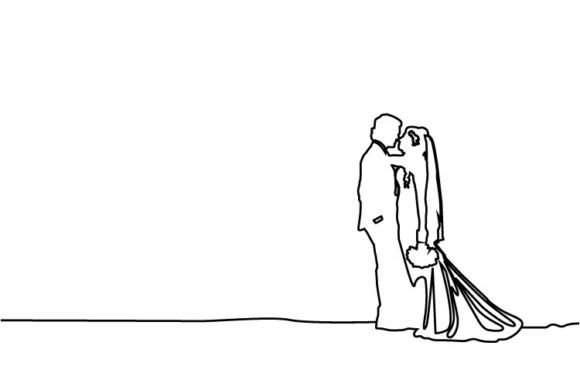
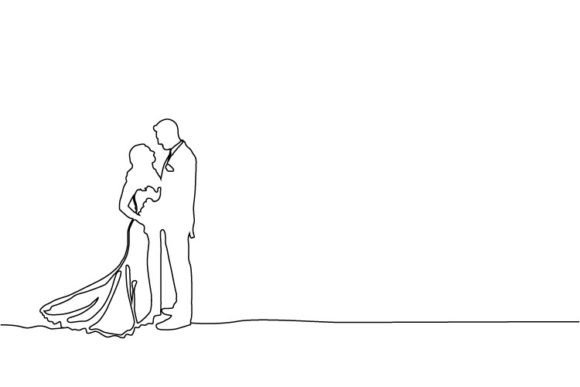
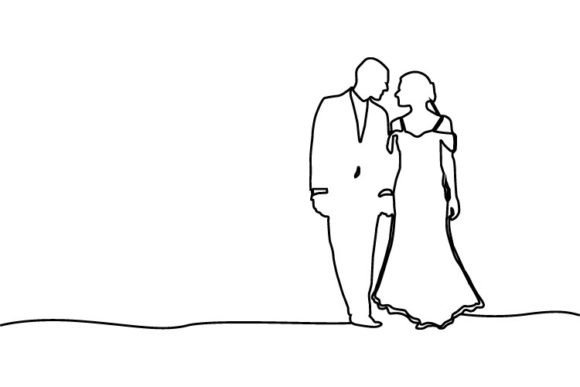
So, what exactly defines this style? When we talk about abstract linear art in the context of a wedding, we are looking at the reduction of forms to their essential lines. Instead of a photorealistic portrait of a couple, you get the suggestion of a profile through a single, unbroken stroke. Instead of a detailed botanical garden, you see the structural beauty of a leaf or a stem drawn with mathematical precision.
The visual appeal lies in its versatility. This style of illustration manages to be both minimalist and expressive. It captures the intimacy of a wedding couple through proximity and flow rather than through facial details. This abstraction allows the viewer to project their own emotions onto the image. It feels modern because it borrows from the language of contemporary architecture and fine art, yet it retains a softness that is essential for romantic themes. The "abstract" element ensures that the artwork doesn't compete with the typography or the specific details of the event; instead, it acts as a sophisticated frame.
Practical Applications: Beyond the Invitation
One of the biggest advantages of using a vector-based abstract linear design is the sheer range of applications. Because these assets are typically provided in scalable formats, they are not limited to a single use case. For the small business owner or creative entrepreneur, this versatility is a goldmine.
Consider the primary touchpoint: the wedding invitation suite. Here, the linear art can serve as a delicate border or a central motif that sets the tone for the entire event. But the utility extends far beyond paper. Imagine these designs etched onto acrylic signage for the welcome table or the bar menu. The clean lines translate perfectly to physical engraving and laser cutting.
For those in the digital space, such as social media managers or bloggers, these illustrations are perfect for creating cohesive Instagram stories and Pinterest graphics. The abstract nature of the design ensures that text overlays remain legible, which is a common struggle with busier background images. Furthermore, if you are designing merchandise—think tote bags for the bridal party or custom robes—the linear art scales beautifully, offering a high-end look without the visual clutter.
File Formats and Workflow Integration
Understanding the technical side of these design assets is crucial for a smooth workflow. When you acquire a professional Abstract Linear Art Illustration Wedding pack, you are usually paying for the flexibility of the file formats included. A robust package typically includes Ai (Adobe Illustrator) and Eps files, which are the industry standards for vector editing. These allow you to manipulate anchor points, change stroke weights, and alter colors with infinite precision.
The inclusion of SVG files is particularly relevant for web designers and those using cutting machines like Cricut or Silhouette. SVGs maintain their quality at any size and are lightweight for web usage. Meanwhile, the PNG and Jpg files provide ready-to-use convenience for those who may not have advanced design software. A high-resolution PNG with a transparent background is often the most versatile asset for quick mockups, layering in Canva, or adding to presentations. Knowing which file to grab for which task saves hours of frustration and ensures your final output—whether print or digital—is crisp and professional.
Matching Typography to Abstract Art
When you introduce an abstract linear element into your design, the relationship between the image and the text becomes critical. Because linear art is often geometric and precise, it pairs exceptionally well with specific font families. The goal is to create a visual hierarchy where the art and the type support one another.
For a look that feels editorial and high-fashion, consider pairing these illustrations with a sans serif font. The clean geometry of a sans serif echoes the uninterrupted lines of the art, creating a cohesive, modern system. Think of fonts like Montserrat or Helvetica Neue—sturdy, legible, and stylish.
However, if you want to soften the geometric edges and introduce a more traditional romantic feel, a script font or handwritten font can provide a beautiful contrast. The organic curves of a calligraphy-inspired typeface break up the rigidity of the linear illustration, adding a human touch. When selecting your typography, always test the pairing at the actual size it will be viewed. A delicate script might look stunning on a large poster but may become illegible on a small digital ad. The interplay between the sharp lines of the art and the chosen typeface is what will ultimately define the brand identity of the project.
Commercial Use and Brand Consistency
For designers and agencies, the value of a premium design asset lies in its licensing. When sourcing Abstract Linear Art Illustration Wedding graphics, it is vital to review the commercial licensing terms. If you are creating a logo design or a brand identity system for a client, you need assurance that the asset can be used for commercial purposes without legal entanglement.
Furthermore, these linear illustrations are powerful tools for maintaining visual consistency across a brand’s touchpoints. A brand strategist might use the abstract couple illustration as a hero image on the website, then deconstruct it to use a single "swirl" or "line segment" as a background pattern on packaging or business cards. This technique creates a subconscious connection for the audience; they recognize the visual language even when the full image isn't present. It is a subtle way to build brand recognition through repetitive, abstract motifs.
Ultimately, Abstract Linear Art Illustration Wedding designs offer a bridge between artistic expression and functional design. They provide a sophisticated backdrop that elevates the perceived value of the project, whether it is a wedding invitation, a marketing campaign, or a piece of digital art. By choosing high-quality vectors and pairing them with thoughtful typography, you create work that doesn't just look good—it communicates a clear, modern message of elegance and intention.